Our value chain
Have you ever wondered what it takes to turn the curly wool of a sheep into soft woolen garments? It's a lengthy process that requires experience and expertise. We are convinced that it's important to maintain control throughout the entire journey from the production of raw materials to the final product. Here's a brief look at the key steps in the production, processing, and finishing of our wool products.
1. Wool fiber
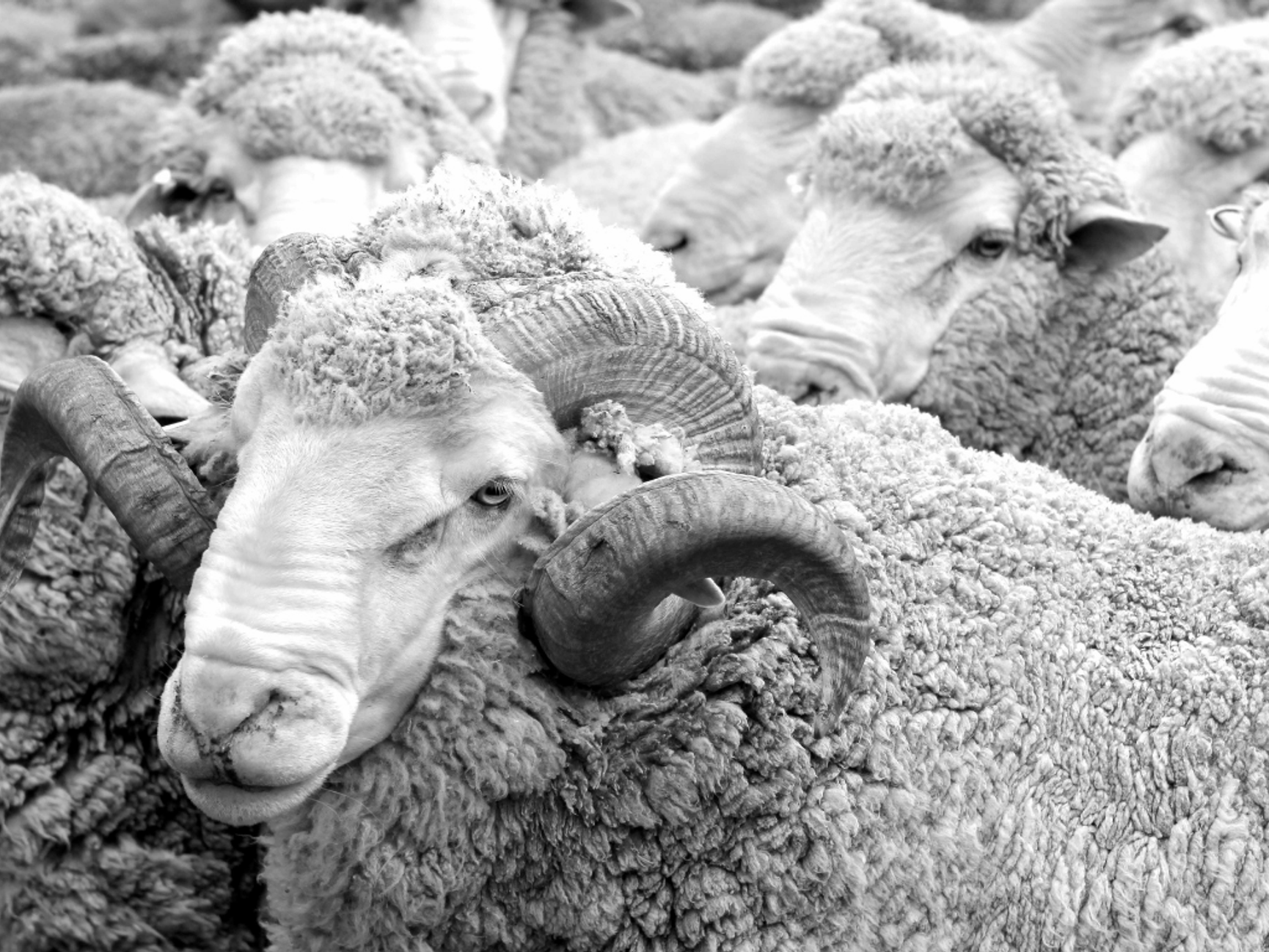
We source our wool from New Zealand and Tasmania/Australia and we purchase certified wool through ZQ, The New Zealand Merino Company. This ensures mulesing-free wool from farms that take good care of their animals. We have also secured the supply by visiting farms in Tasmania. ZQ Merino monitors all their suppliers in New Zealand with checks for animal welfare. All the sheep roam freely in fenced grazing areas. Farms approved by Aclima and ZQ Merino do not allow the transport of live animals over long distances.
2. Clipping and classification
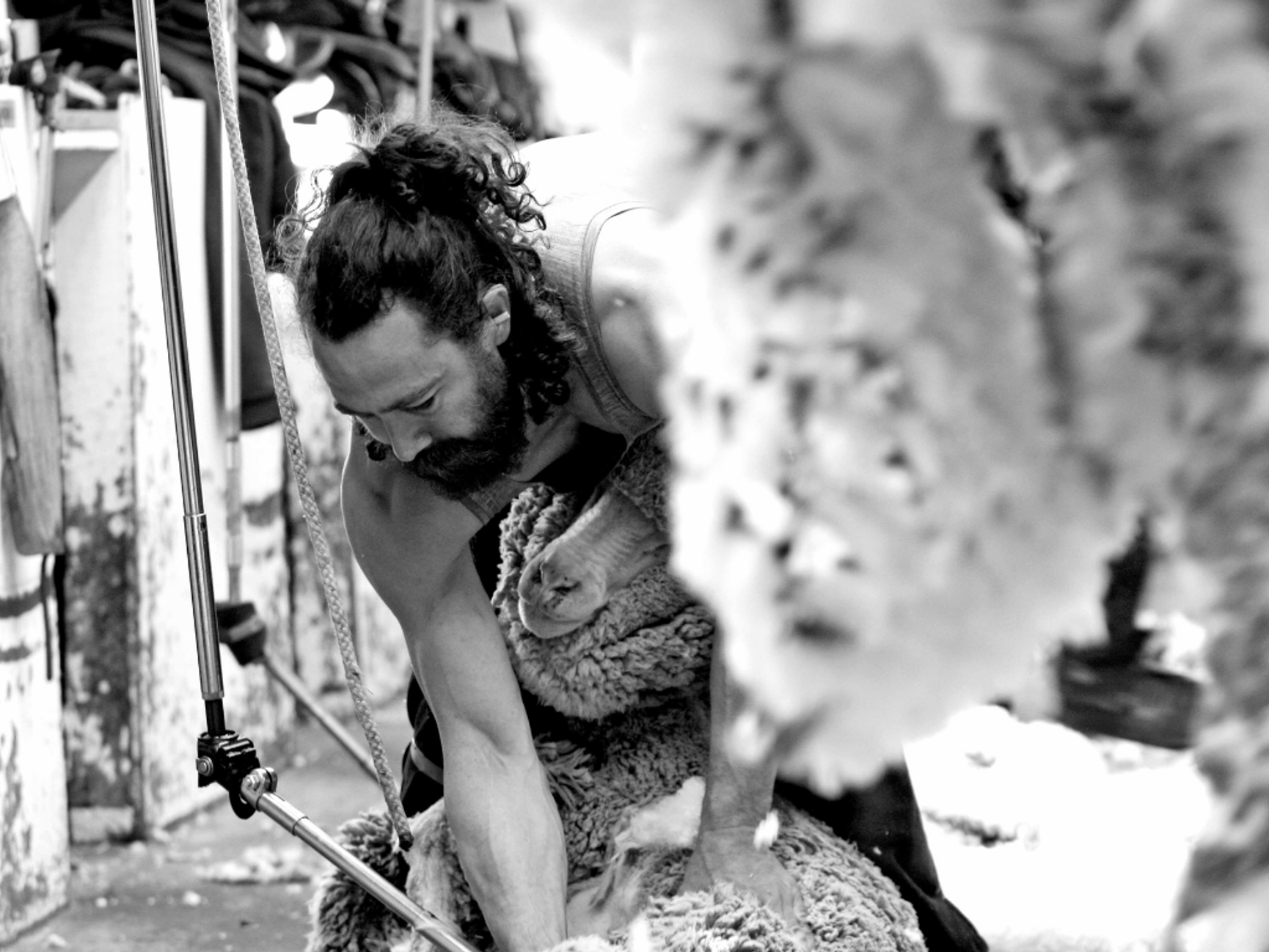
Aclima requires long fibers to make the garment more durable. The shearing is always performed by skilled shearers who focus more on the quality of the wool and the care of the animals than on the clock. The classification is done by some of the most skilled people in the field as it is one of the most important processes for a high-quality final product. These processes take place on farms in New Zealand and Tasmania/Australia.
3. Scouring and carding
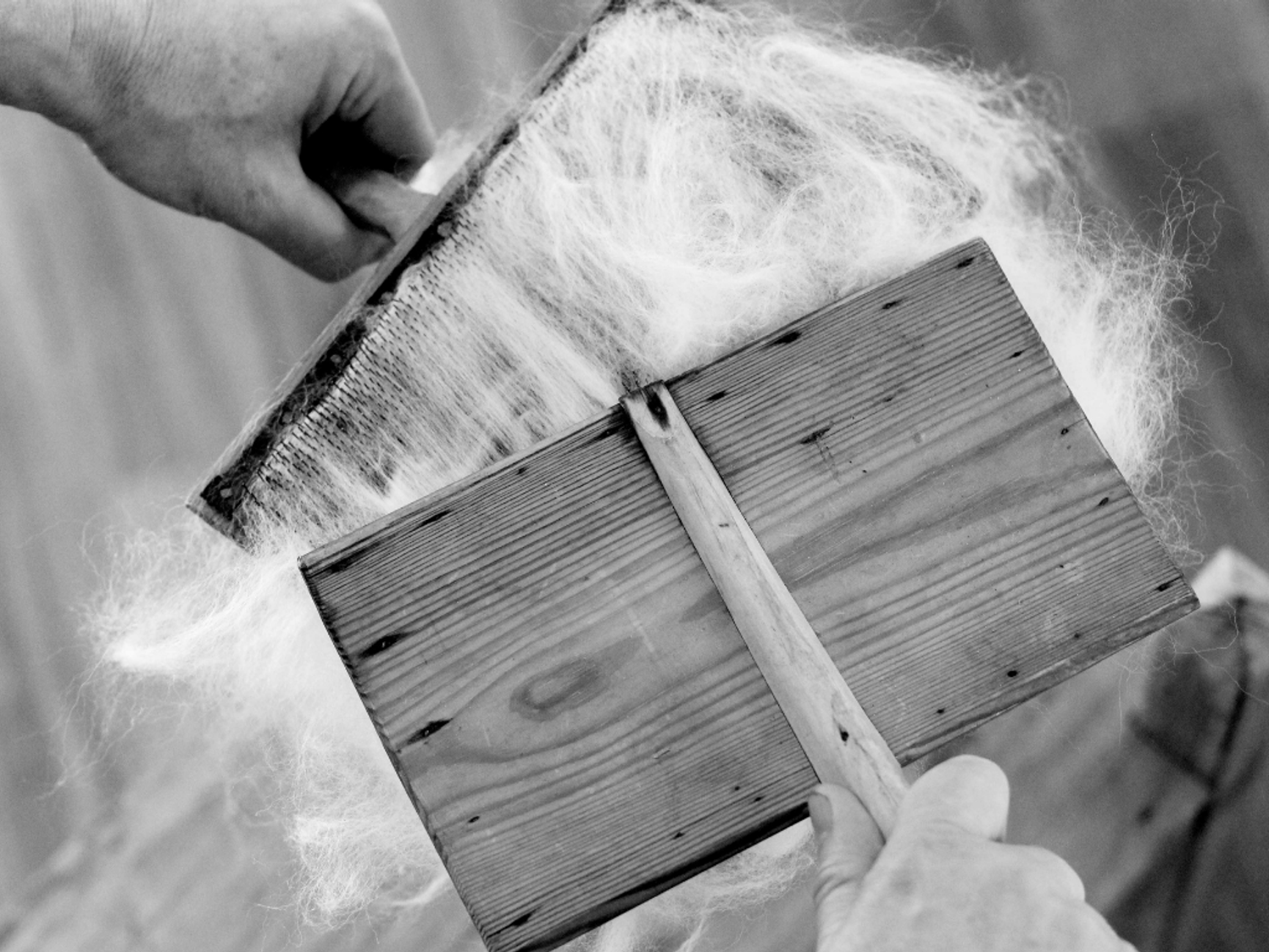
Scouring is the process where the wool is washed to remove lanolin (fat) and dirt. The wool loses more than 30% of its weight during this process. After the wool has been washed, it is carded, combed, and prepared for spinning. Scouring and carding take place in China and Bulgaria.
4. Spinning
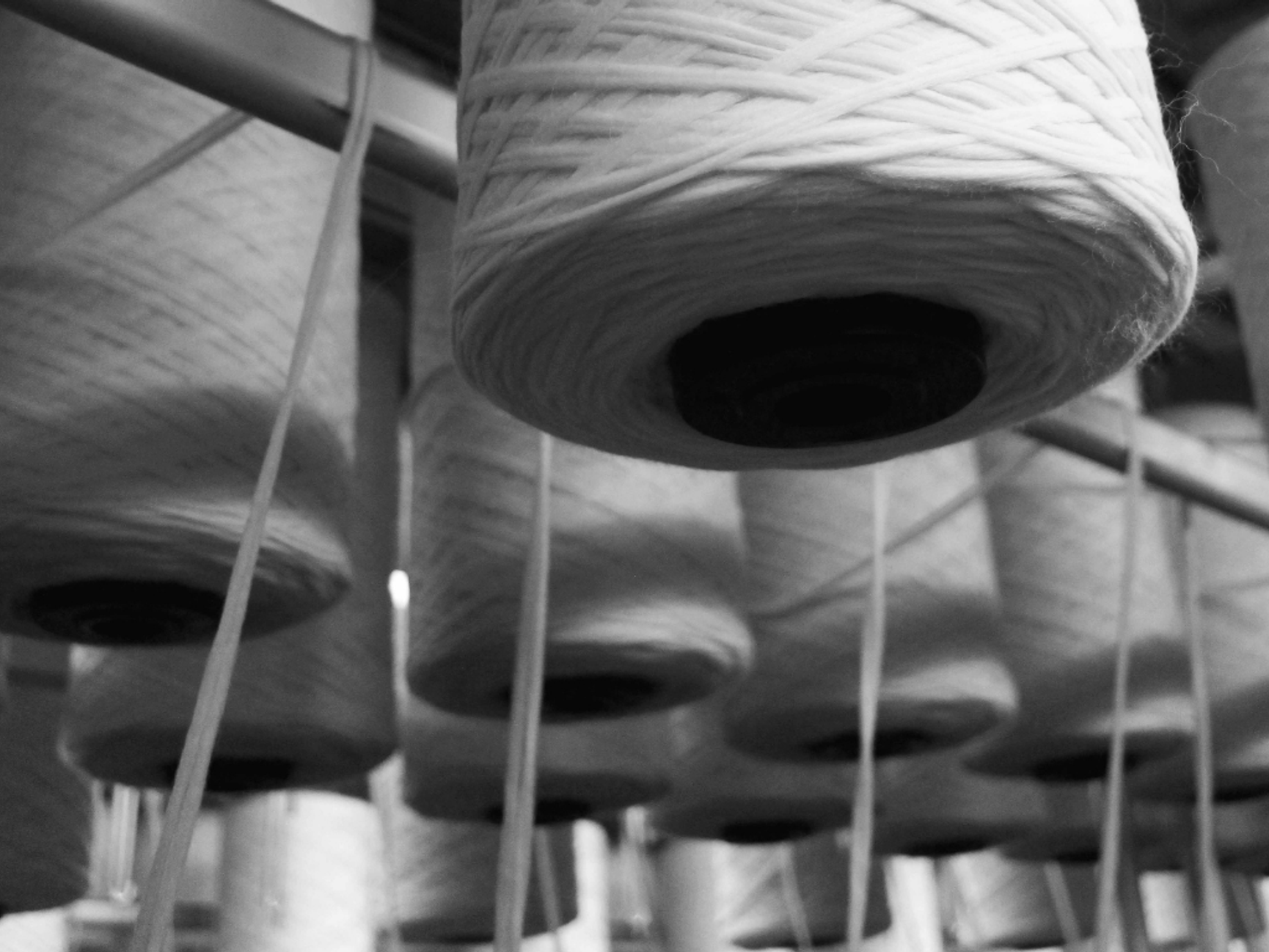
Multiple wool threads are spun together to create yarn with an even texture that is elastic, yet strong enough for modern knitting machines. We maintain close contact with our European spinners to ensure the high quality. The spinning is done in Germany, Poland, and the Czech Republic.
5. Knitting
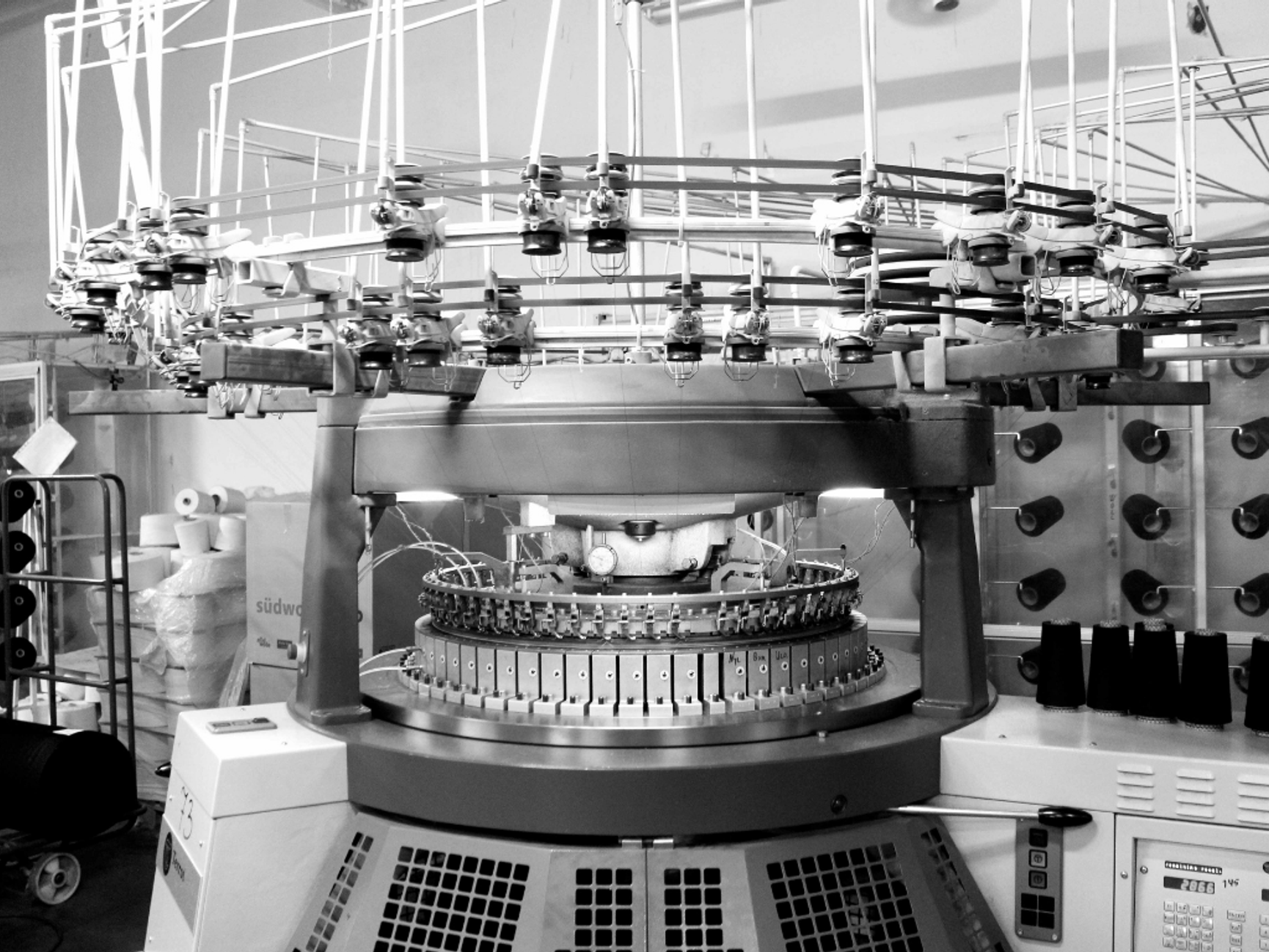
We know the advantages and disadvantages of the various knitting methods and are constantly trying to create new standards for what is possible with fabric. The knitting process takes place in Denmark, Poland, and Italy.
6. Washing and dyeing
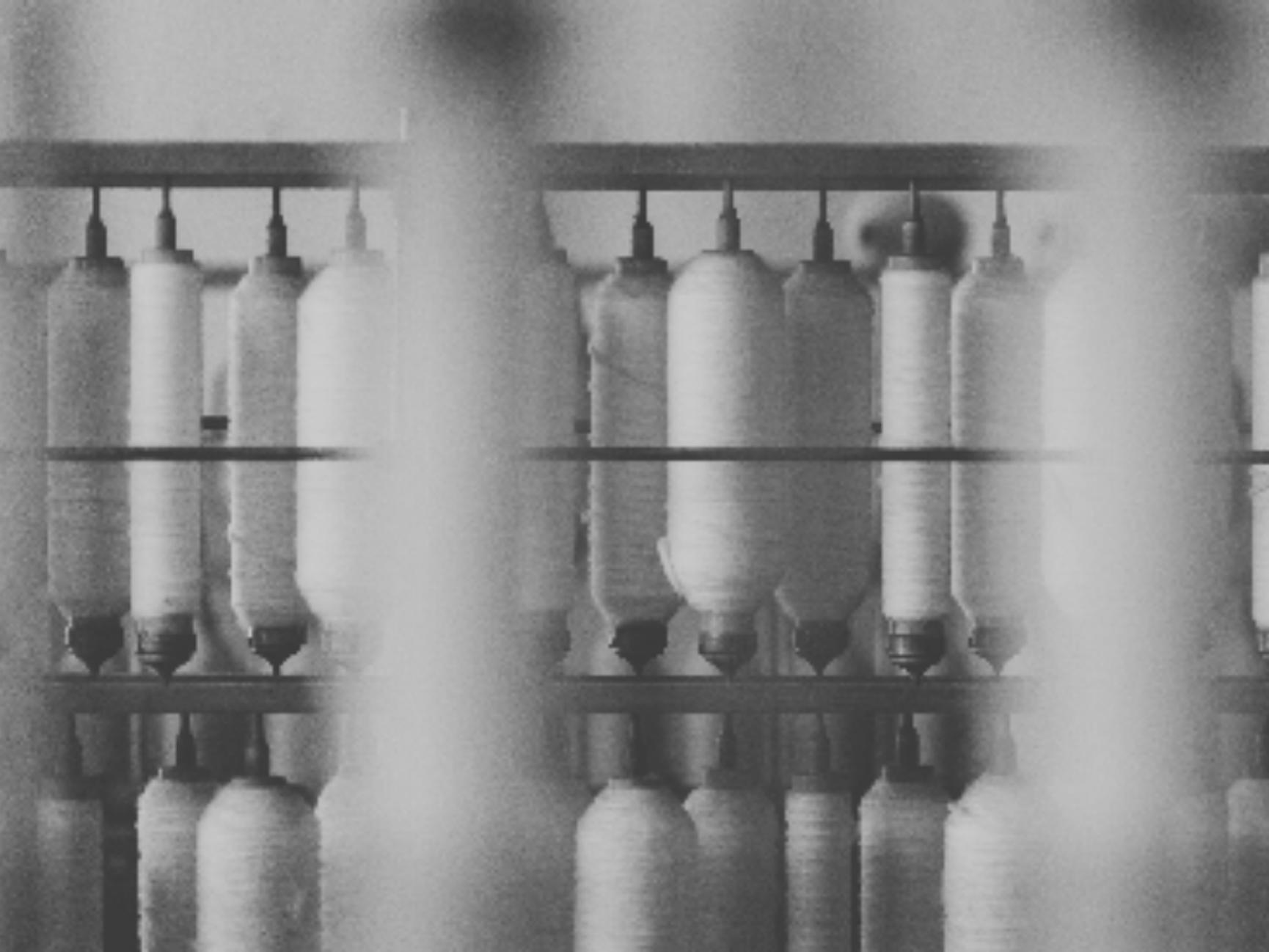
All the fabrics have been washed and stabilized to remove oil residues from the knitting process. The fabrics are dyed using ingredients that are approved according to the eco-tex standard. The washing and dyeing process mostly takes place in Poland and some in Denmark.
7. Cutting and sewing
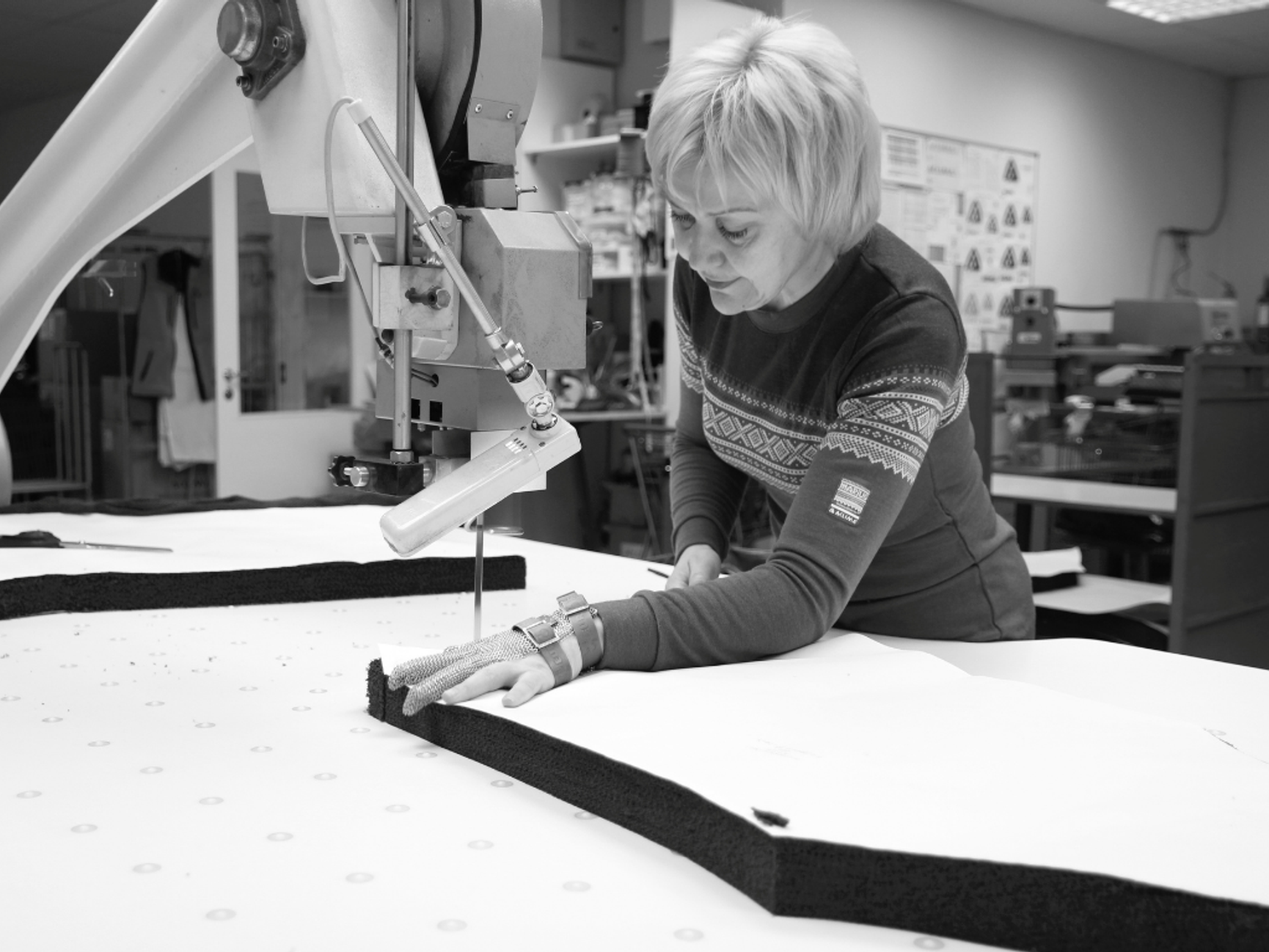
Aclima has its own factory for cutting and sewing in Valga, Estonia. In addition, we use other factories in Estonia, Latvia, Lithuania, Poland, and Croatia. All factories are visited by Aclima representatives to ensure production with consideration for people, premises, and quality.
8. Storage and distribution
Finished products are transported by truck to Krøderen, where they are repackaged and sent out to customers. Packaging should primarily protect the product from the factory, through storage, to the customer. It should not take up too much space, it should withstand being repackaged, it should attract the customer in stores, and it should be easy to recycle.