Sustainability - for people, animals, and the environment
Aclima works with concrete measures related to material choices, production, and product lifespan. This includes, among other things, the use of certified materials where possible, reducing waste in production, and offering repairs to extend the life of the products. On this page, we share how we work and which measures we have implemented.
Conservation of natural resources
Wool is a renewable natural material that is a key component in most of our products. We work to maintain an overview of where the wool comes from and set requirements for our suppliers, including through traceability and documentation. Wherever possible, we choose materials and production solutions that reduce the need for synthetic fibers.
Certified merino wool
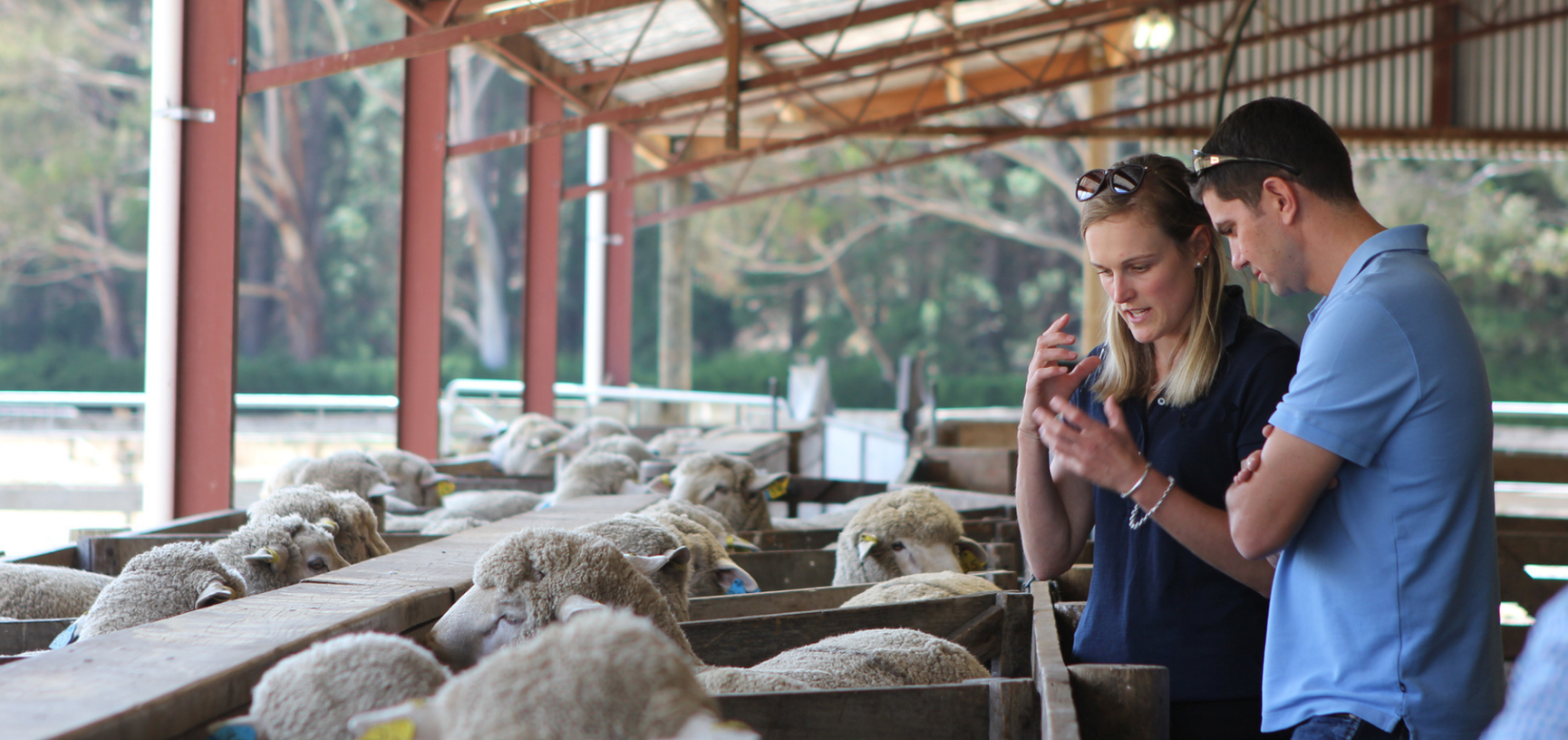
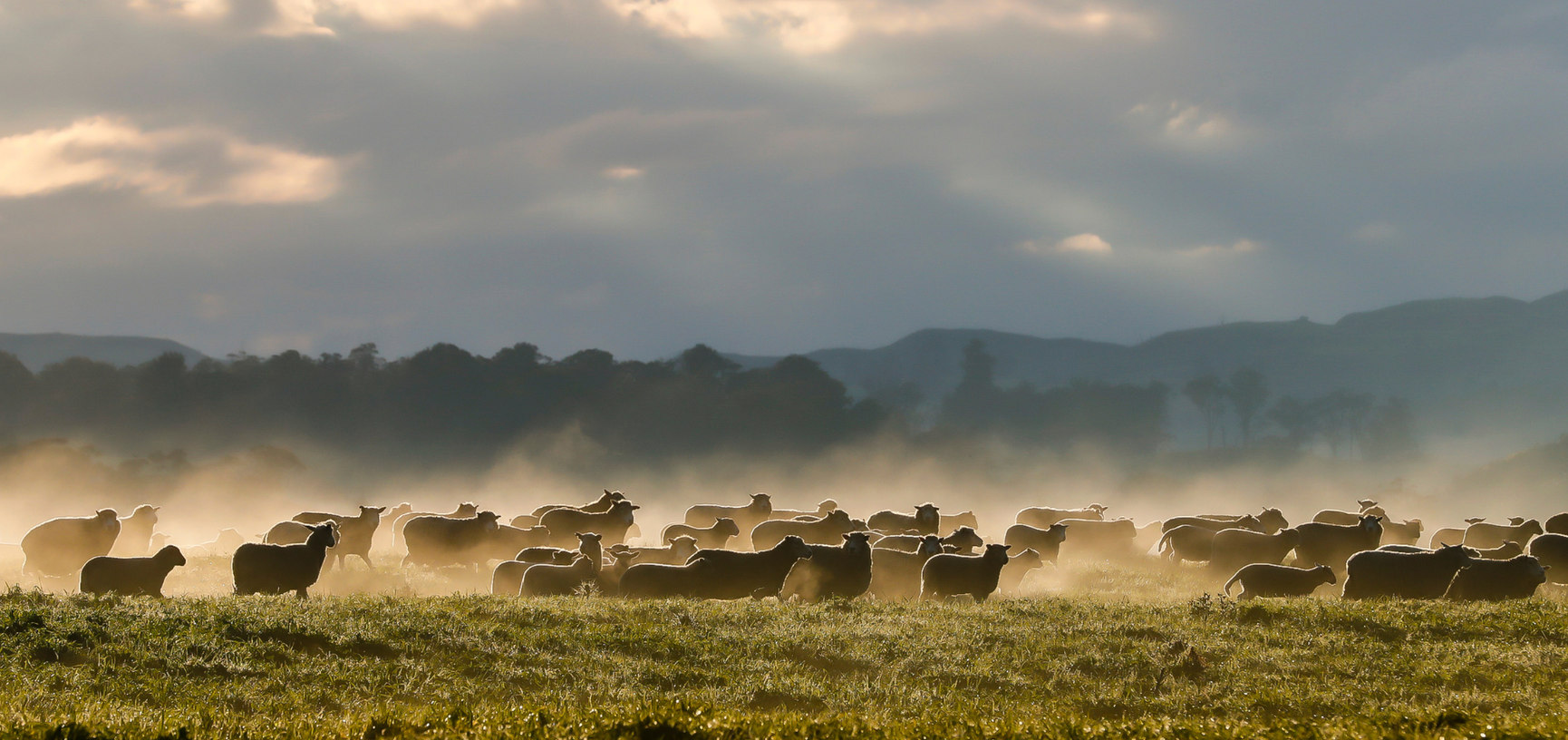
We primarily use merino wool that is certified through Zentera Wool Company’s ZQ and ZQ+ programmes. The certifications set requirements for areas including animal welfare, environmental responsibility, social responsibility and traceability. The wool can be traced back to the farm it comes from, providing greater transparency throughout the value chain from farm to finished product.
ZQ+ builds on the ZQ standard and includes a framework for regenerative agriculture, with a focus on areas such as soil health, biodiversity and the long-term management of natural resources.
Reduction of waste and consumption
We are working to reduce waste in various parts of the value chain, including through the choice of materials, product design, and packaging. We develop products with a focus on quality and durability, with the aim of extending the lifetime of each garment.
Through the reborn collection, we take care of wool offcuts from our own production and refine them into new products.
Ethical production
We place demands on our suppliers regarding working conditions and follow this up through supplier agreements and dialogue. Our partners must comply with applicable laws and guidelines for the working environment. Where relevant, we use third-party audits or documentation as part of our follow-up.
Responsible management of resources
We are mapping resource use in parts of our production and logistics, and assessing measures to reduce energy use, water consumption, and waste wherever possible. This work is continuously evolving, and we are working on improvements together with our production partners.
Policy and guidelines for responsible operations
Our policy for responsible business practices forms the cornerstone of our commitment to sustainability, together with our supplier guidelines. This policy is a roadmap that governs our operations and guides our actions to ensure that we respect and care for people, communities, and the environment throughout our entire value chain.
Central to our policy is our approach to due diligence. This is a risk-based approach that we use to identify, assess, and address potential negative impacts on people, communities, and the environment. Through thorough assessments of our operations and activities, as well as through collaboration with our suppliers, we seek to minimize risks and continuously improve our practices.
Our due diligence process extends from our own operations to every single link in our supply chain. We set requirements for suppliers through our guidelines and expect these to be followed. This includes requirements related to workers’ rights, working conditions, and relevant environmental standards where applicable.
The policy for responsible business practices is a tool for the systematic follow-up and improvement of our routines. We recognize our role and our responsibility as part of a global community, and we are committed to acting with integrity, empathy, and respect in everything we do.

Supplier Guidelines: Ethical business practices throughout the value chain
Our supplier guidelines, including our Code of Conduct (CoC), form the backbone of our collaboration with suppliers. These guidelines outline the fundamental principles that govern our business relationships and ensure that we operate ethically throughout the value chain. Key areas covered include human and labor rights, occupational safety, and animal welfare. You can download our supplier guidelines here.
Developed in collaboration with Etisk Handel Norge and grounded in internationally recognized standards such as the UN Declaration of Human Rights and ILO conventions, our guidelines ensure that we maintain the highest ethical standards. All our suppliers commit to these guidelines by signing them, which indicates their understanding and acceptance of the content in our Code of Conduct.
You can download our report to the Ethical Trading Initiative Norway for the membership year 2025 here.
The Transparency Act
The Transparency Act, which came into effect in 2022, requires transparency regarding our work with due diligence assessments. We share our due diligence assessments through our annual report via Ethical Trade. This report provides insights into our sustainability initiatives, challenges, and progress. As a business committed to sustainability, we wish to share our knowledge with our customers. Feel free to ask us anything, and we will respond honestly and openly.
Where can we make the biggest difference?
Extend the product's lifespan: Aclima AS recognizes the environmental footprint of textile production, and we focus on extending the lifespan of our products to reduce overproduction. We offer durable products that withstand daily use and repeated washings, while maintaining color, shape, and quality. Our thorough testing ensures that the clothes remain intact over time. We encourage our customers to follow the washing instructions on the clothes to ensure a long lifespan.
Fair production and procurement practices: Aclima AS is dedicated to responsible procurement practices and continuous improvement. We ensure fair conditions for our suppliers, pay on time, and work closely with them to ensure quality and continuous dialogue. We avoid intermediaries in the production process and have direct contact with our producers, which gives us full oversight of the production and the materials used. Learn more about our entire value chain here.
Long-term presence and supplier relationships: We have established stable relationships with our suppliers, many of whom have been with us since our inception. We prefer to maintain long-term collaborations and produce complete collections with as few suppliers as possible.
Animal Welfare: Aclima AS distances itself from poor animal welfare and harmful environmental practices. We use certified merino wool as extensively as possible, and we always have a zero-tolerance policy against mulesing. Read more about how we work with animal welfare here.