
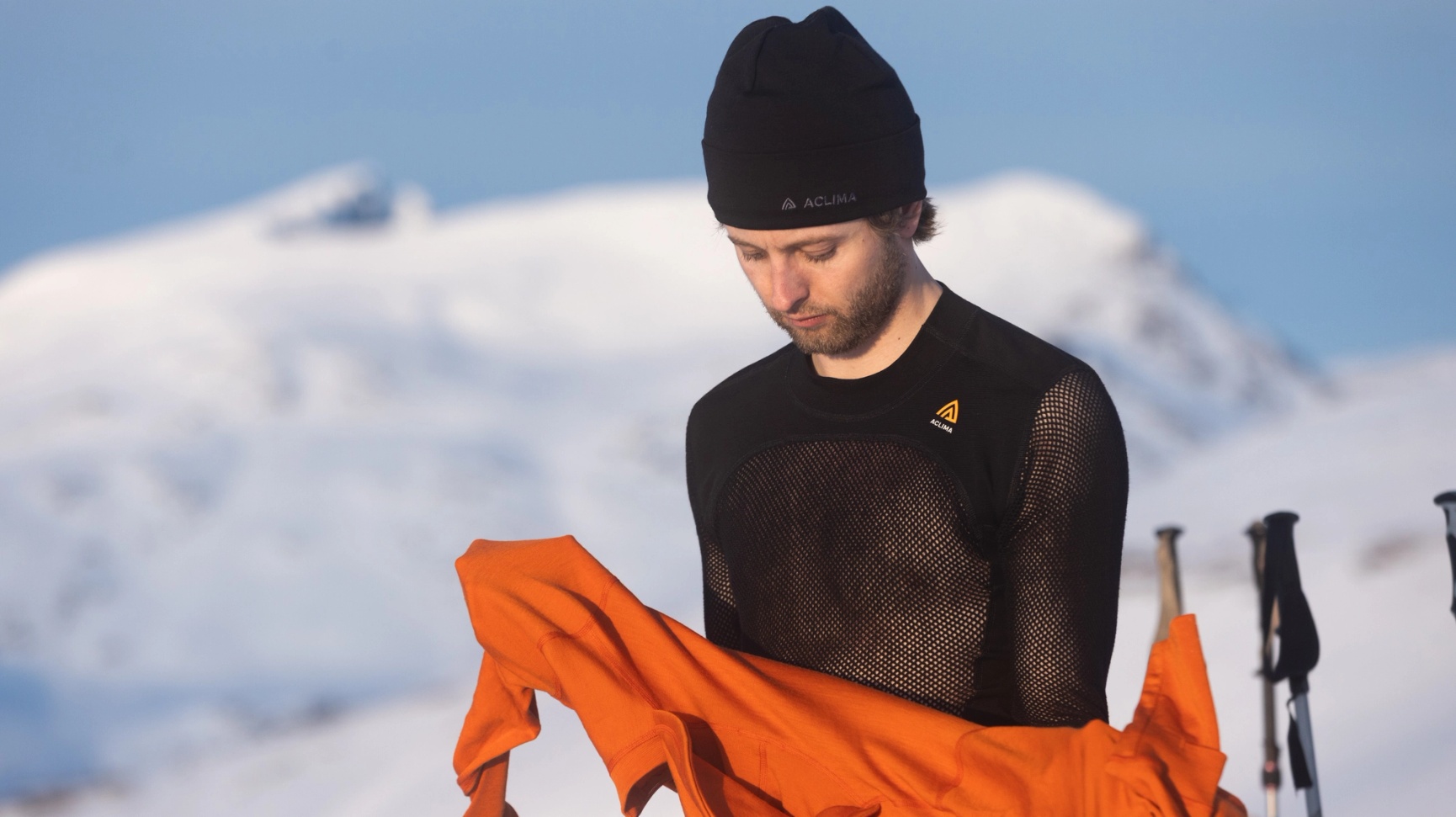
Layering
Benefits of dressing in layers:
Insulation: The layering method provides insulation, traps heat close to your body, and helps you stay warm. Each layer of clothing acts as a barrier, slowing down the loss of heat from your body.
Moisture management: It allows you to stay dry by wicking sweat away from your skin to the outer layers of clothing where it can evaporate. This helps to prevent the cooling effect that can occur when sweat cools on your skin.
Flexibility: Dressing in layers allows you to easily add or remove clothing as needed. If you get too hot, you can simply remove a layer to cool down. If you get too cold, you can add a layer to warm up.
Protection: Layered clothing provides protection against the elements. The outer layer of clothing shields you from wind, rain, and snow, while the inner layers keep you warm and dry.
It is important to note that the layering method works best when you use moisture-wicking fabric closest to the skin and insulated, warm materials for the middle and outer layers.
Aclima + Layering = True
Aclima has a clear system on how to dress in layers on their packaging - Wool Layering System. Here it should be easy for you as a consumer to choose the right product – layer by layer. Here you see the different packages based on which layer it is.
Wool Underwear
Wool is perfect against the skin, it retains warmth even when you get wet, and it dries quickly. Wool also has an antibacterial effect that prevents odors and bacteria from clinging to the fabric easily. This is particularly convenient when you're on a trip, with fewer opportunities to change clothes often and wash them where you are.
Wool Baselayer (1st)
Close to the skin, over the underwear, one should wear something that provides good warmth, is soft, and fits snugly. Wool wicks moisture away from the body, insulates well, and regulates temperature. Choose wool based on how active you will be – for high intensity, one can opt for thinner wool garments than if the intensity is lower.
Wool Midlayer (2nd)
The middle layer should insulate and retain the heat from the innermost layer. Here, one can also vary the thickness depending on how cold it is and how active one intends to be. If you're going to hike in the mountains, a tip is to have an extra wool sweater in your backpack that can be taken out if necessary.
Wool Outerlayer (3rd)
The outermost layer should protect against weather and wind. It should have a durable outer fabric that retains the warmth from the other layers inside. Remember that there should also be air between the layers for the best possible effect.