Recycled wool – from offcuts to new garments
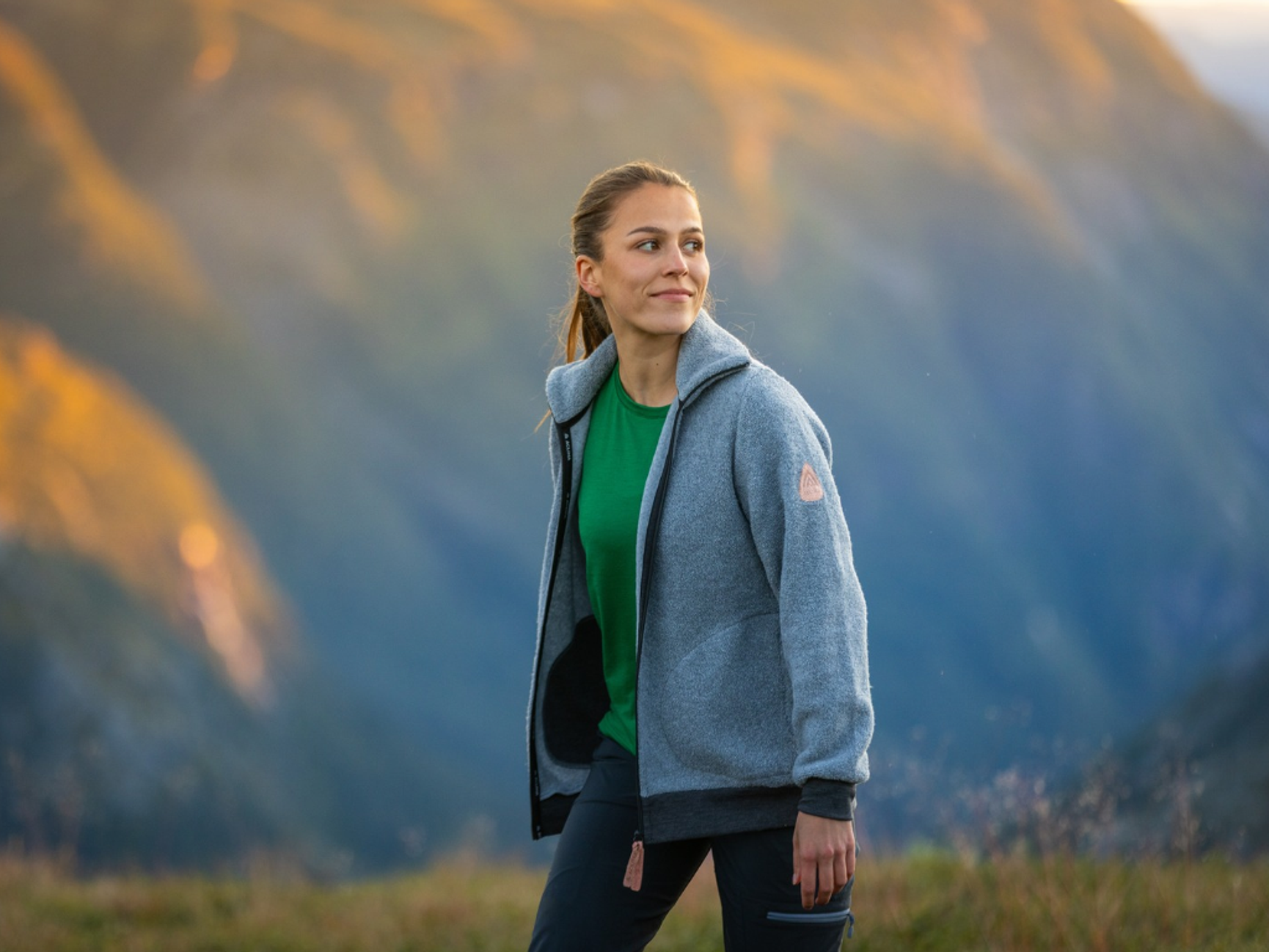
reborn is the collection that gives high-quality wool new life and is an important expression of Aclima’s long-term commitment to the environment. By taking care of wool offcuts from production at our own factory in Estonia, we reduce waste and make better use of resources. Instead of discarding materials that still have high quality, we refine them into new, functional products.
How many products are made depends on how much wool offcut is available at any given time – which makes every reborn garment a conscious choice for both the environment and the future.
How offcuts become a new garment
1. Sorting
The offcuts from our wool fabric cutting are carefully sorted by color in several stages. The wool is not re-dyed – a deliberate choice to save water, energy, and chemicals.
2. Preparing the wool
Once we have collected enough offcuts for each of the color categories we want to use, these are sent to our partner in Italy, who has specialized expertise in wool recycling. There, our fabric pieces are broken down almost to fiber level, making it possible to spin new yarn.
3. Reinforcement of the yarn
In the recycling of wool, the fibers become shorter and therefore produce a weaker yarn. Our partner adds 30% recycled, GRS-certified polyamide to reinforce the yarn.
4. Spinning
Our recycled wool remnants are carefully blended with polyamide fiber in a chamber, before being carded together and spun into new yarn.
5. New garments
We use the yarn for various types of new fabrics, both woven and knitted, as well as knitted products such as hats and mittens.
6. New products
Back in Estonia, new products are sewn in our own factory and by partner specialists in shirts and headwear.
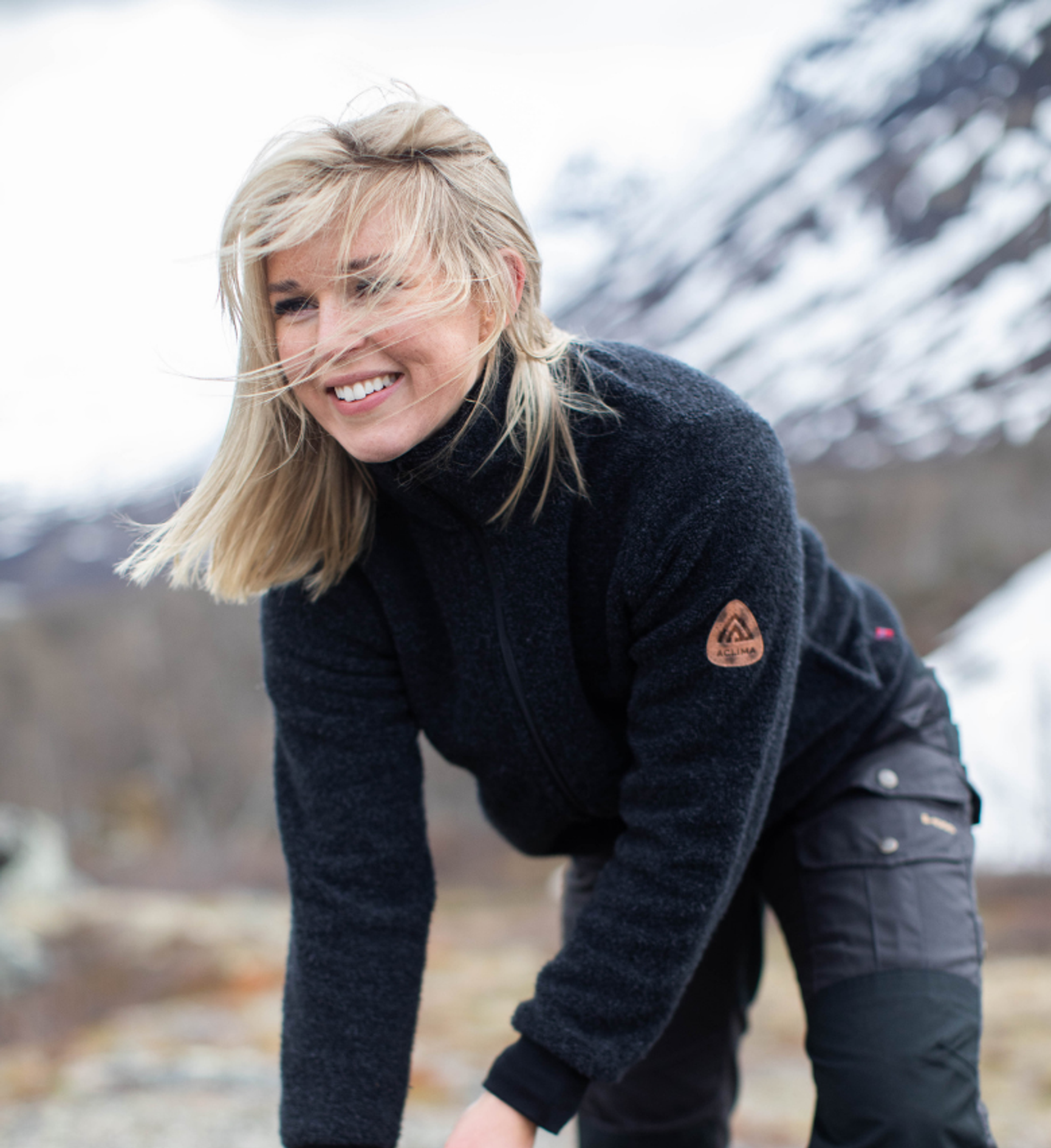
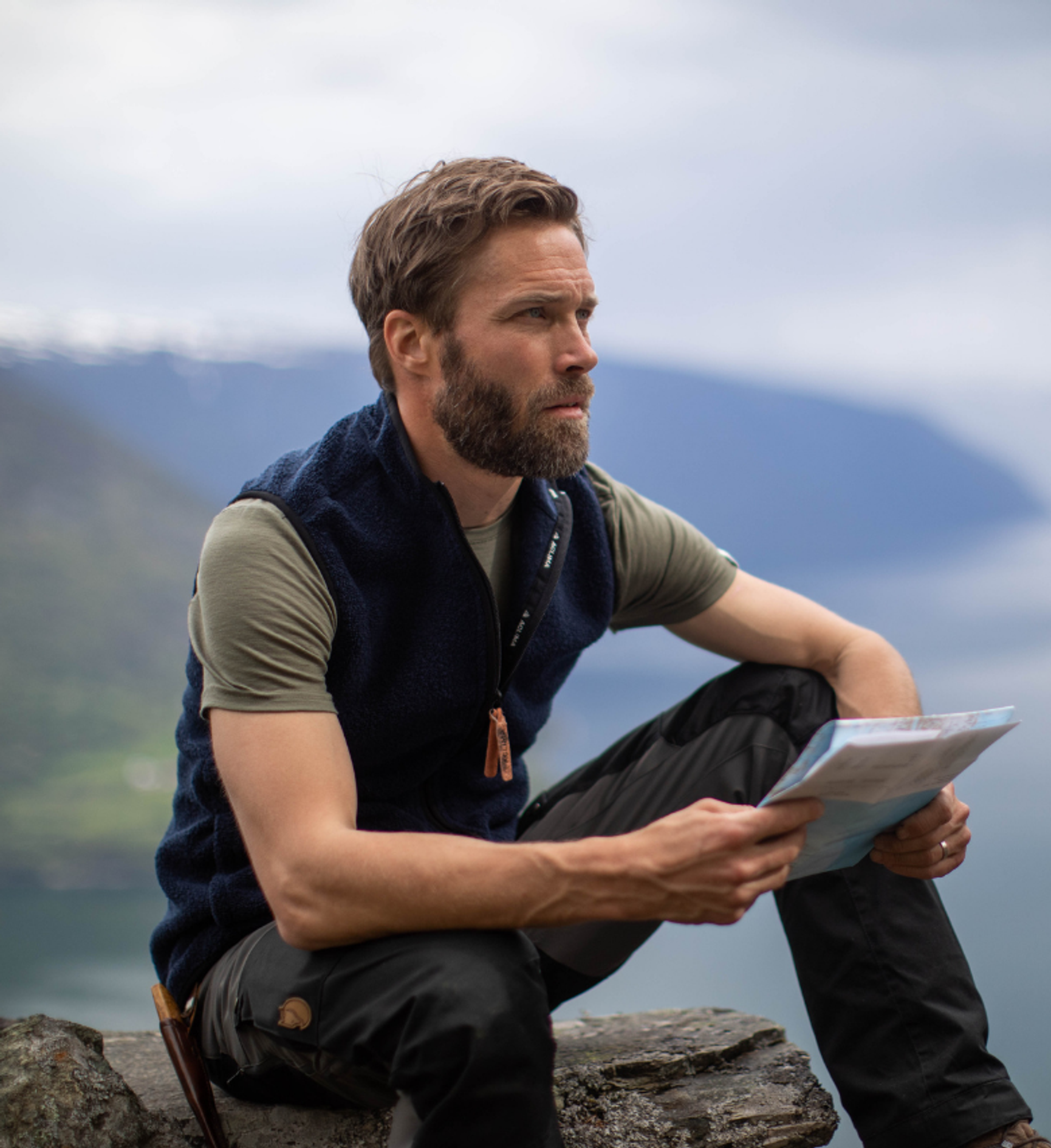
The result is comfortable, warm, durable and, not least, unique wool garments that fit naturally into an active everyday life and a layering system.

A plus for conscious customers
Many of our customers want to know how the hiking clothes they use are produced. With reborn, each garment gets a unique story – with reuse and quality in focus.
We believe many people value a garment with a clear background and a lower resource footprint more than having all products look exactly the same. The strong interest ahead of the launch confirms this, says Aclima’s sales director, Lars Eivind Johansen.
Have been working with the reuse of wool since 1939
Aclima's tradition of considering the reuse of wool dates all the way back to its inception in 1939. That's when Lars Eivind's grandfather, Eivind Johansen, began making insoles from the discarded wool felt from the conveyor belts of the timber industry in Drammen. Lars Eivind Johansen believes his grandfather would have been proud of the work that has been done with the reborn shirt.
- Aclima has always consisted of wool enthusiasts who love to explore new opportunities to use this amazing fabric. That's why it's incredibly fun to develop a new quality garment from wool scraps that would have otherwise gone to waste. We have the opportunity to create many more products from the new fabric if the amount of offcuts increases. I hope more clothing manufacturers will see their offcuts as a valuable resource and not trash in the future. Reborn is a prime example of how it's possible to turn leftover wool into gold, he says with a smile.